What are the best creatine supplements for muscle gain?
What are the best creatine supplements for muscle gain?
Dec 09, 2025

Best Creatine Supplements of 2025: Your Ultimate Guide to Muscle Growth
Choosing the best creatine supplement can feel overwhelming with countless options flooding the market. Whether you're a seasoned athlete or just starting your fitness journey, finding the best creatine for muscle growth is essential for maximizing your performance and results. This comprehensive guide cuts through the noise to help you identify the top creatine supplement options available in 2025, ensuring you make an informed decision that aligns with your fitness goals and budget.

What Makes Creatine Monohydrate the Gold Standard?
Creatine monohydrate stands as the most researched form of creatine available today. This powerful supplement works by increasing phosphocreatine stores in muscle cells, allowing your body to produce more ATP (adenosine triphosphate) during high-intensity exercise. The science is clear: creatine is one of the most effective supplements on the market for building muscle mass and improving athletic performance.
When you take creatine supplements, you're providing your muscles with the fuel they need to push harder during workouts. The efficacy of creatine supplementation has been demonstrated in thousands of studies, with research suggesting that creatine can increase muscle strength by 5-15% and lean muscle mass by up to 2-4 pounds during the first weeks of use. Unlike many fitness supplements that rely on marketing hype, creatine is a natural compound found in meat and fish, making it a safe and well-understood option for most individuals.
The beauty of creatine monohydrate lies in its simplicity and proven track record. While supplement companies continue developing alternative forms of creatine, monohydrate remains the best form of creatine due to its extensive research backing, superior absorption, and cost-effectiveness.

How Does Micronized Creatine Monohydrate Differ from Regular Forms?
Micronized creatine monohydrate represents an advancement in supplement processing that addresses one of the main complaints about traditional creatine powder: mixability. The micronization process breaks down creatine particles into smaller sizes, typically 20 times smaller than standard creatine monohydrate. This results in a powder that dissolves more easily in water and may be absorbed more efficiently by the body.
Products like Optimum Nutrition micronized creatine and Nutricost micronized creatine monohydrate have become popular choices because they minimize the gritty texture that can make unflavored creatine unpleasant to consume. When you use creatine in micronized form, you're less likely to experience stomach discomfort, and the improved solubility means you won't find undissolved powder settling at the bottom of your shaker bottle.
Most quality micronized products provide 5 grams of micronized creatine monohydrate per serving, which aligns with the daily dose of creatine recommended by sports scientists. Whether you choose micronized or standard creatine monohydrate powder, both forms deliver the same muscle-building benefits, making the decision largely a matter of personal preference and budget.
What Are the Key Benefits of Creatine Supplementation?
The benefits of creatine extend far beyond simple muscle growth. While creatine is best known for helping athletes build muscle and increase strength, research shows it supports cognitive function, may reduce muscle cramping, and can accelerate muscle recovery after intense training sessions.
When you take creatine consistently, you're investing in both your physical and mental performance.
For those focused on body composition, creatine supplementation supports muscle growth and fat loss simultaneously. By enabling more intense training sessions, creatine helps you burn more calories while preserving and building lean muscle mass. Studies suggest that creatine may also improve exercise performance in older adults, making it valuable across all age groups and fitness levels.
The compound works by saturating your creatine levels, particularly in fast-twitch muscle fibers used during explosive movements.
This saturation allows for improved power output during activities like weightlifting, sprinting, and high-intensity interval training.
Additionally, the effects of creatine supplementation include increased muscle cell hydration, which may contribute to the fuller, more pumped appearance many users report.

Which Types of Creatine Are Available and How Do They Compare?
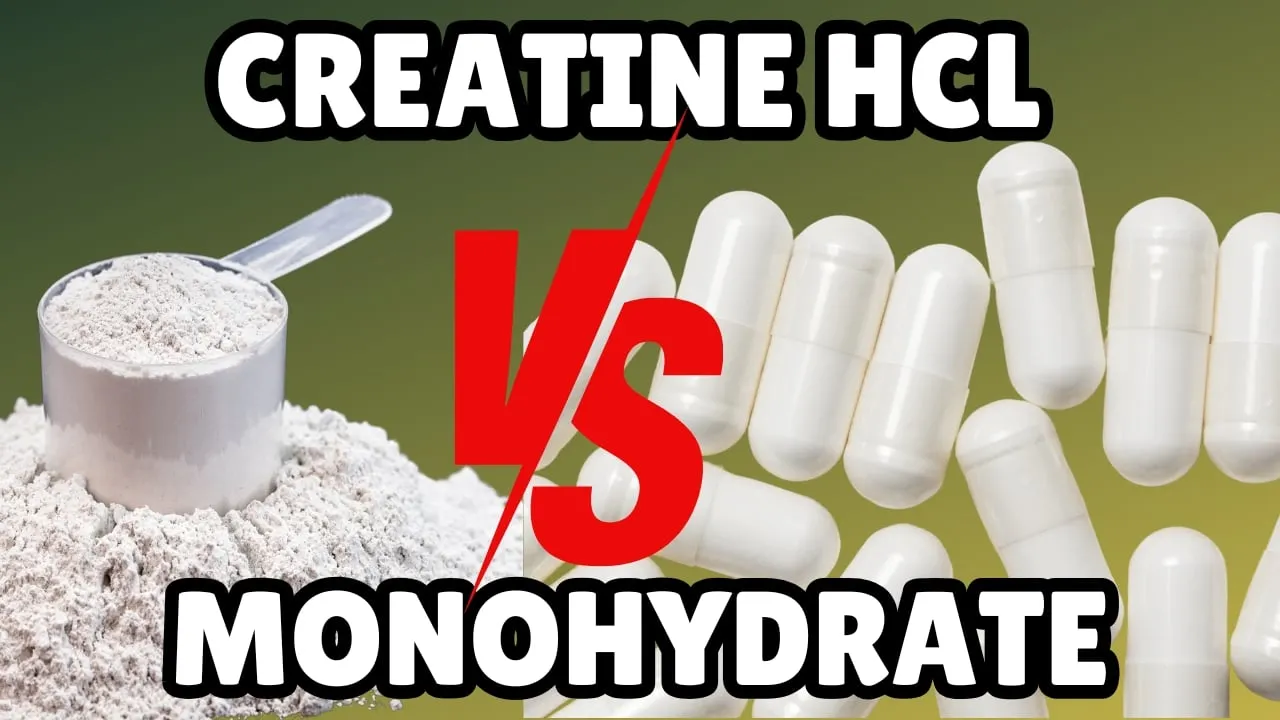
While creatine monohydrate dominates the market, several different types of creatine have emerged over the years. Creatine HCl (creatine hydrochloride) claims to offer better solubility and absorption with a smaller dose, though research supporting these claims remains limited compared to monohydrate. Some users prefer creatine HCl to avoid the water retention sometimes associated with monohydrate, but the most researched form of creatine remains monohydrate by a substantial margin.
Creatine gummies have recently gained popularity as a more convenient and palatable option. The best creatine gummies and creatine monohydrate gummies provide 3 grams of creatine monohydrate per serving, though users typically need to consume multiple gummies to reach the optimal dose of creatine. While these offer convenience for those who dislike powder supplements, they often come at a premium price point.
Other forms include buffered creatine (Kre-Alkalyn), creatine ethyl ester, and liquid creatine, but none have demonstrated superior benefits over standard creatine monohydrate in controlled studies. When finding the best creatine supplement for muscle building, stick with proven options rather than falling for marketing claims about "advanced" formulations that lack scientific support.
What Should You Look for in Creatine Supplements?
When evaluating creatine supplements on the market, several key factors determine quality and value. First, verify that the product contains 5 grams of creatine monohydrate per serving—the dose consistently shown effective in research. Products offering less than five grams of creatine may require multiple servings daily, affecting both convenience and cost-effectiveness.
Third-party testing is crucial when selecting supplements for muscle growth. Look for products tested by organizations like NSF Certified for Sport or Informed-Choice, which verify that the supplement contains what the label claims and is free from banned substances. This matters especially for competitive athletes who face strict testing protocols.
Purity is another essential consideration. Pure creatine monohydrate should list minimal additional ingredients. While some products include added compounds like HMB (as in Transparent Labs Creatine HMB) or electrolytes, these additions should be clearly labeled. Avoid products loaded with proprietary blends or unnecessary fillers. Whether you choose flavored creatine or unflavored options depends on personal preference, but remember that additives can increase the price without improving the core benefit of creatine use.
How Do You Properly Take Creatine Supplements?
Learning to take creatine effectively maximizes your results. The traditional approach involves a loading phase where you consume 20 grams of creatine per day (split into four doses) for 5-7 days, followed by a maintenance phase of 5 grams of creatine per serving daily. However, research shows that skipping creatine loading and starting with the standard 5 grams of creatine monohydrate daily achieves the same muscle saturation within 3-4 weeks.
Timing matters less than consistency. While some athletes prefer to take creatine supplements immediately post-workout with a protein shake, studies suggest that as long as you maintain consistent daily intake, the specific timing won't significantly impact results. Creatine without carbohydrates still works effectively, though consuming it with a meal may improve absorption slightly due to insulin's role in driving nutrients into muscle cells.
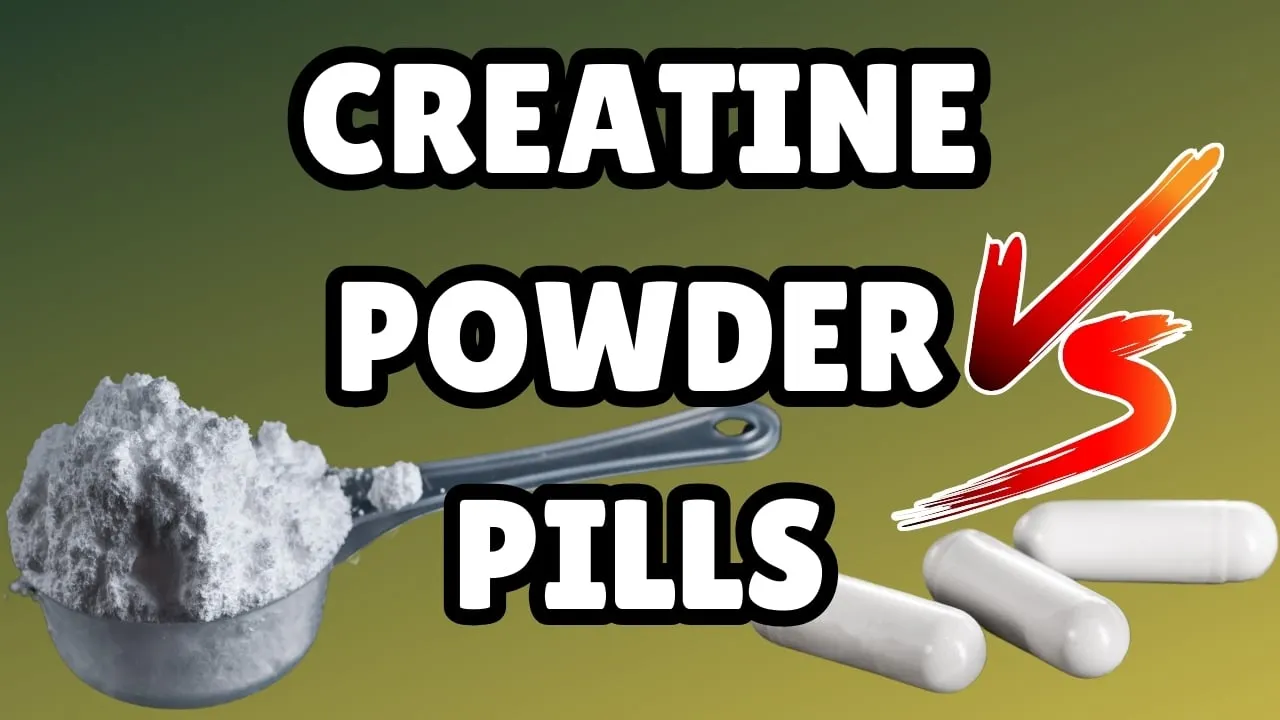
For those using creatine pills, ensure you're getting grams of creatine per serving equivalent to powder forms—typically 5 grams daily. Pills offer convenience but often require consuming multiple capsules to reach the effective dose. Regardless of the form of creatine you choose, staying well-hydrated is essential, as creatine increases water retention in muscles.

What Are Our Top Picks for the Best Creatine Supplements in 2025?
After testing numerous products, our picks for the best creatine supplements balance quality, value, and user experience. For pure effectiveness and value, Nutricost micronized creatine monohydrate delivers 5 grams of creatine monohydrate per scoop at an unbeatable price point. This unflavored option mixes well and contains nothing but micronized creatine monohydrate per serving—no unnecessary additives.
For those seeking a premium option with added benefits, Transparent Labs Creatine HMB combines creatine monohydrate with HMB (beta-hydroxy beta-methylbutyrate) to support both muscle building and recovery. This product represents our best creatine supplement for muscle growth and fat loss for individuals willing to invest more per serving.
Optimum Nutrition micronized creatine remains a reliable mid-tier choice with excellent mixability and a trusted brand reputation. For convenience-focused users, the best creatine gummies come from Create, though at a higher cost per gram of creatine. Sports Research creatine monohydrate offers an excellent option for those preferring unflavored, non-GMO certified products.
Thorne creatine and Raw Nutrition creatine monohydrate round out our recommendations for those prioritizing third-party testing and ingredient transparency.
Is Creatine for Women Different from Standard Formulations?
The question of creatine for women deserves clarification: there's no physiological reason women need a different creatine supplement than men. The same dose of creatine monohydrate (5 grams daily) that benefits male athletes works equally well for females. Marketing campaigns promoting "women-specific" creatine products often simply repackage standard formulations in feminine branding at inflated prices.
Women can safely take creatine supplements without concern about appearing "bulky." This myth persists despite clear scientific evidence showing that creatine supports lean muscle development rather than causing unwanted size gains. In fact, research shows creatine may be particularly beneficial for women, as females naturally produce less creatine than males and may experience greater performance improvements from supplementation.
Some women prefer creatine monohydrate gummies or flavored creatine options for palatability, which is perfectly fine as long as they deliver adequate grams of creatine monohydrate.
The key is choosing a high-quality product—whether marketed toward women or not—and maintaining consistent supplementation. Any product containing pure creatine monohydrate will help increase muscle strength, support muscle recovery, and enhance overall athletic performance regardless of gender.

Are There Safety Concerns When Using Creatine Long-Term?
One of the most important questions surrounding creatine use relates to long-term safety. The good news: creatine is generally considered safe for healthy adults, with decades of research supporting its use. Studies following athletes taking creatine supplements for up to five years show no adverse effects on kidney function, liver health, or other health markers when used at recommended doses.
The most commonly reported side effects are minor and typically related to improper use. Some individuals experience mild digestive discomfort, particularly when consuming large doses during a loading phase. Starting with the standard maintenance dose of 5 grams of creatine per day rather than loading can minimize these issues. Water retention is another frequent concern, but this represents increased intracellular fluid in muscles rather than problematic bloating.
Certain populations should exercise caution. Individuals with pre-existing kidney disease should consult a healthcare provider before using creatine, as the supplement increases the body's production of creatinine (a waste product filtered by kidneys). Creatine is generally safe for adolescents engaged in serious athletic training, though parents should consult with a pediatrician first.
As with any supplement, pregnant or nursing women should avoid creatine due to insufficient research on its effects during these periods.
How Can You Find the Best Creatine Supplement for Your Goals?
Finding the best creatine supplement requires matching product characteristics to your specific needs and preferences. Budget-conscious athletes will find excellent value in bulk creatine monohydrate powder from reputable brands, which often costs just pennies per serving. These straightforward products containing 5 grams of creatine monohydrate per scoop deliver the same benefits as premium options at a fraction of the price.
Athletes subject to drug testing should prioritize products tested by third-party organizations. When we tested the best creatine options, those with NSF Certified for Sport or Informed-Sport certification provided peace of mind regarding purity and banned substance screening. This matters less for recreational gym-goers but remains crucial for collegiate and professional athletes.
Convenience seekers might prefer creatine pills or creatine gummies despite the higher per-serving cost. Those who train early in the morning might appreciate flavored creatine that makes supplementation more enjoyable.
Some athletes prefer our top pick for the best pre-workout supplements containing creatine rather than taking it separately. Ultimately, the best creatine for muscle growth is the one you'll take consistently—whether that's budget-friendly powder or premium gummies depends on what works for your lifestyle.
This is especially important for combat-sport athletes training in environments where performance, safety, and trusted brands like Elite Sports
are part of daily preparation.
Key Takeaways: What You Need to Remember
Essential Points About Choosing and Using Creatine:
• Creatine monohydrate remains the gold standard – With the most research backing and proven effectiveness, this is the form of creatine to choose unless you have specific reasons to select an alternative
• The standard dose is 5 grams daily – You can skip the loading phase and still achieve full muscle saturation within a month by taking 5 grams of creatine monohydrate consistently
• Timing matters less than consistency – Whether you take creatine supplements pre-workout, post-workout, or with meals, daily consistency is what drives results for muscle growth and recovery
• Micronization improves mixability – While not essential, grams of micronized creatine monohydrate dissolve better in liquid, improving the consumption experience without changing effectiveness
• Safety is well-established – Creatine is generally considered safe for long-term use in healthy adults, with decades of research supporting its safety profile at recommended doses
• Third-party testing adds assurance – Look for products certified by NSF or Informed-Sport, especially if you compete in tested sports or want guaranteed purity
• Price doesn't equal quality – The best creatine supplements of 2025 include both budget-friendly and premium options; expensive formulations don't necessarily work better than pure creatine monohydrate
• There's no "women's creatine" – The same supplements for muscle growth work equally well regardless of gender; women benefit from creatine supplementation just as men do
• Hydration is important – When you use creatine, increase your water intake to support the supplement's mechanism of drawing fluid into muscle cells
• Results take time – Expect to see improvements in muscle strength within 2-4 weeks, with visible gains in lean muscle mass developing over 8-12 weeks of consistent training and supplementation
For More Training Advice + Diet and Lifestyle visit us Combat Creatine
PS: Make sure you check out the rest of our Training Guides:
Creatine
- Creatine Supplements Ultimate Guide
- Creatine Monohydrate Gummies
- Creatine Powder Vs. Pills
- Creatine HCL vs Monohydrate
- How Does Creatine Work
- Does Creatine Make You Poop?
- Does Creatine Break a Fast
- A Guide to Supplement Forms
- Creatine Supplementation Side Effects
- Creatine Myths
- Creatine Pros & Cons
- Creatine Monohydrate Powder
- Creatine Recovery
- Creatine Loading Phase
- Women Should Take Creatine
- Creatine Kinase