The Martial Arts Career Blueprint: How to Teach, Lead, and Run a Successful Studio
The Martial Arts Career Blueprint: How to Teach, Lead, and Run a Successful Studio
Jan 02, 2026
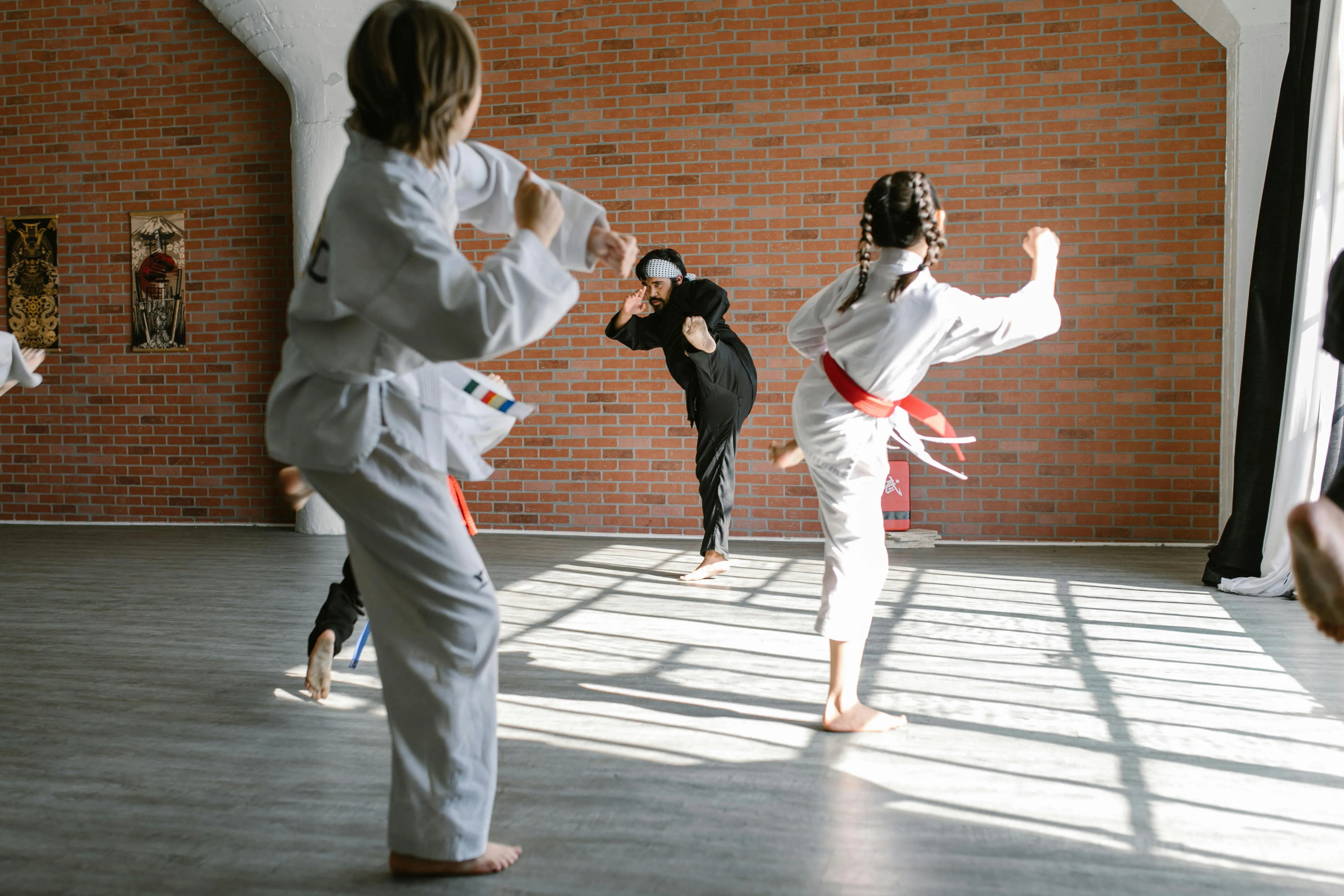
A career in martial arts offers much more than physical mastery — it’s a lifelong path of teaching, leadership, and entrepreneurship. Whether you aspire to instruct students, manage a training facility, or launch your own dojo, the martial arts industry rewards those who combine discipline, community focus, and business strategy.
Key Takeaways for Future Martial Arts Professionals
- The martial arts industry offers diverse roles — from instructor and program director to studio owner or franchise operator.
- Success requires more than skill — communication, leadership, and business acumen are critical.
- Marketing and community engagement are essential for growth and sustainability.
- Entrepreneurial options include independent studios, mobile instruction, or online training programs.
- Combining traditional values with modern management practices creates long-term success.
Building Your Own Martial Arts Business
Launching a martial arts studio can be one of the most rewarding and challenging endeavors in the field. It combines passion with entrepreneurship, requiring careful planning, financing, and compliance.
Starting a business begins with defining your target audience and mission. From there, you’ll handle operations, budgeting, and student retention. Many owners now use comprehensive platforms like zenbusiness.com to streamline the process — assisting with LLC formation, compliance tracking, website creation, and even financial management. Using an all-in-one business formation platform saves time and ensures your martial arts venture starts on a strong foundation.
The Many Paths Within Martial Arts Careers
The martial arts world encompasses a range of professions beyond teaching. Some focus on education and mentorship, while others move into event management, sports therapy, or fitness entrepreneurship. Below is a snapshot of typical directions for those pursuing martial arts professionally.
How to Progress from Student to Instructor
Building a martial arts career typically begins as a passionate student and evolves through assistant teaching roles and certifications. Here’s how to accelerate your journey responsibly and effectively.
How-To Checklist for Aspiring Martial Arts Instructors
Before stepping into teaching or management, follow these steps to ensure readiness and sustainability:
- Earn Recognized Instructor Certification – Complete formal accreditation through your martial arts discipline’s governing body.
- Develop Teaching Skills – Volunteer as an assistant coach to gain experience leading groups.
- Understand Safety and Liability – Learn first aid, obtain insurance, and follow safety protocols.
- Build a Local Network – Join martial arts associations, attend seminars, and connect with fellow instructors.
- Create a Personal Brand – Define what makes your instruction unique — philosophy, focus, or training style.
- Adopt Continuous Learning – Attend workshops, masterclasses, and cross-discipline training to stay relevant.
Marketing Yourself in the Community
Even the best instructors need visibility. Local marketing remains one of the most effective tools for attracting new students and building trust. Distribute well-designed flyers at gyms, schools, and coffee shops to showcase class schedules and benefits. Using printable flyer templates allows you to easily customize colors, text, and images — giving your studio a professional look while keeping costs low. Combine traditional outreach with social media promotion for maximum impact.
Enhancing Performance and Instruction Quality
For instructors, maintaining physical endurance and mental clarity is essential. This is where supplements and recovery tools can enhance performance. CombatCreatine.com offers creatine-based products designed for combat sports professionals and martial artists. Their supplements support strength, faster recovery, and mental focus — key elements that help instructors deliver consistent, high-quality sessions and sustain long-term performance.
The Industry’s Broader Benefits
A martial arts career offers personal and professional growth that extends beyond the dojo:
- Community Leadership: Instructors become local role models who foster discipline and respect.
- Health and Wellness: Physical conditioning and mindfulness reduce stress and improve longevity.
- Cultural Preservation: Teaching helps preserve centuries-old traditions and philosophies.
- Entrepreneurial Freedom: Studio ownership allows for creative expression and flexible schedules.
- Global Connectivity: Martial artists often join international federations, gaining access to events and travel opportunities.
Common Challenges and Smart Solutions
While the rewards are high, martial arts professionals also face real challenges — from fluctuating student enrollment to burnout and financial strain. Balancing these realities requires foresight and adaptability.
Tips for Long-Term Sustainability
- Diversify revenue streams with workshops, merchandise, or online programs.
- Foster community loyalty through student events and parent engagement.
- Automate operations — scheduling, billing, and marketing — using modern software.
- Prioritize instructor well-being with structured rest and fitness routines.
- Track financial health quarterly and adapt pricing models as needed.
Black Belt Business: FAQs for Future Studio Owners
Below are common questions answered by professionals who’ve built sustainable martial arts careers.
Q1: How do I know when I’m ready to start teaching?
You’re ready when you’ve mastered fundamental techniques, can demonstrate clear communication, and have earned your instructor certification. Experience mentoring beginners is essential preparation.
Q2: What’s the best way to attract students in a competitive area?
Develop a niche — such as youth programs, women’s self-defense, or mixed-discipline training. Pair that with community visibility through open houses and flyers featuring clear calls to action.
Q3: How much does it cost to open a studio?
Initial costs vary widely — from $10,000 for a small leased space to $100,000 for a full academy. Expenses include rent, mats, insurance, marketing, and licensing.
Q4: What’s the best structure for a martial arts business?
Many owners form an LLC to protect personal assets and gain tax flexibility. Platforms like ZenBusiness simplify registration, compliance, and management tasks.
Q5: How do I prevent burnout as an instructor or owner?
Schedule teaching rotations, delegate administrative work, and maintain your own training routine. Consistent rest keeps passion and teaching quality high.
Q6: Is it possible to earn passive income in martial arts?
Yes. Recorded classes, branded merchandise, and online memberships can generate additional revenue beyond in-person instruction.
Conclusion
A career in martial arts is a lifelong journey of discipline, entrepreneurship, and community service. Whether your goal is to become an instructor or own a thriving studio, success comes from mastering both technique and business. Start by cultivating your teaching style, structuring your operations, and engaging with your community. Combine tradition with modern tools, and you’ll build a legacy that inspires.